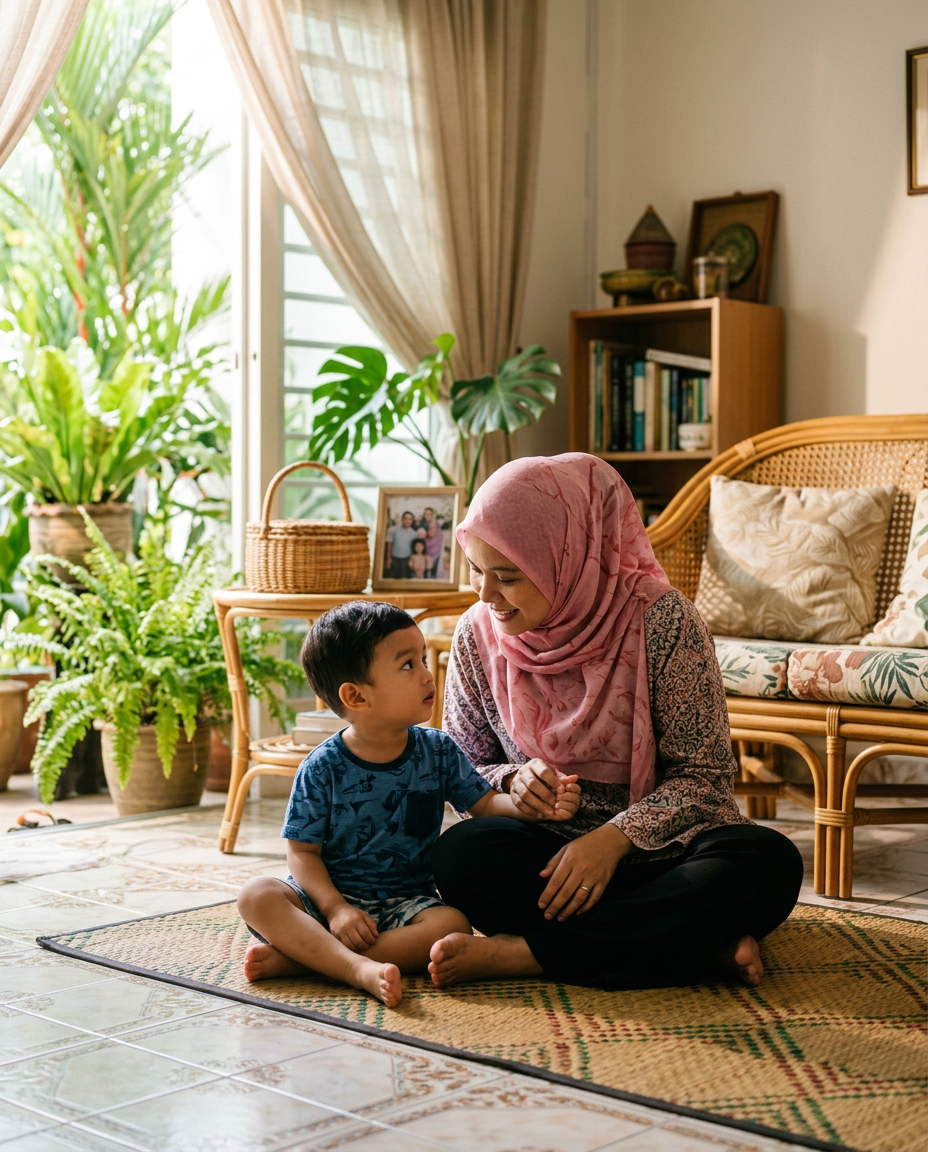
As a parent, you know your child best. But sometimes it's hard to know whether your child's language development is on track or needs extra attention.
Here are 5 key signs to watch for. If you spot one or more, don't panic — but acting early is always better.
No Words at All by 16–18 Months
At this age, most children are saying a few meaningful words like “mama”, “dada”, “water”, or “want”. If your child is still completely silent, this needs immediate attention.
Limited Vocabulary at Age 2
A typical 2-year-old knows at least 50 words and starts combining two words like “want milk” or “mama go”. If your child's vocabulary is far smaller than this, it's a warning sign.
Hard for Strangers to Understand at Age 3
By age 3, about 75% of a child's speech should be understandable to people who don't know them. If only parents can decode what your child says, this signals an articulation or language issue.
No Response to Their Name or Simple Instructions
If your child doesn't turn when their name is called, or doesn't understand simple instructions like “sit”, “get the ball”, or “come here” — this can signal a hearing issue or receptive language delay.
Loss of Language Skills They Previously Had
This is the most serious sign. If your child once spoke but then stopped or lost skills they had — this requires immediate professional evaluation, as it may be linked to a developmental or other neurological condition.
💡 Remember: Early identification = early action = better outcomes. Don't wait for your child to “catch up on their own”. Every month that passes is a valuable window of stimulation.
What Should You Do Next?
If you recognize one or more of these signs:
- Book an appointment with your paediatrician for an initial assessment
- Refer to a speech-language pathologist for a formal language evaluation
- Start language stimulation at home — every quality interaction helps
- Use a learning tool like MyBicara for a structured language program
Parents' FAQ
Q: Do boys really speak later than girls?
A: Yes, on average boys tend to start speaking slightly later. But the gap shouldn't be huge — and it shouldn't be an excuse to skip action.
Q: Can too many languages cause speech delay?
A: A multilingual environment can cause a slight early delay, but this is usually normal and temporary. If the delay continues past the expected age, other factors may be involved.
Q: How long does therapy take?
A: It depends on the cause and severity. Some children make rapid progress in weeks, while others may need longer-term support.
Start Today
MyBicara offers a structured language program across 5 Phases — built specifically for Malaysian children who need extra language stimulation. Full access free for 7 days, no credit card required.
Start 7-Day Free Trial →